L'Carnitine Will L-carnitine reduce belly fat?
Will L-Carnitine Reduce Belly Fat? A Cautious Consumer Review for Men 55+
L-carnitine is getting attention because many men 55+ feel like belly fat won’t budge the way it used to. You might be walking more, cutting back on late-night snacking, and still notice that stubborn midsection. That’s exactly the search intent behind the long-tail question “Will L-carnitine reduce belly fat?”: people want a supplement that’s easy to try, modest in risk, and plausible enough to “add to” an existing routine.
In my view, L-carnitine is best treated as a supportive, not a primary strategy. It may help certain people under certain conditions, but it’s not a belly-fat guarantee—and the supplement market sometimes talks as if it is.
What L-Carnitine Is and Who It Might Fit Best
L-carnitine is a naturally occurring compound your body uses to help transport fatty acids into cells’ “energy centers” (mitochondria), where they can be used for energy. People often look for L-carnitine because the mechanism sounds like it should connect to fat loss—especially when belly fat feels resistant.
That said, “sounds plausible” isn’t the same as “it reliably melts belly fat.” For men 55+, several factors can influence whether any supplement feels helpful:
- Muscle mass and activity level: If you’re not already doing resistance work, fat loss tends to be harder even with supplements.
- Sleep and stress: Poor sleep can increase appetite and change how easily fat comes off.
- Metabolic health: Insulin resistance and medication effects can alter how your body handles energy.
- Diet consistency: Many “supplement trials” fail because calories and protein vary day-to-day.
Who it might fit best: older adults who want to test a generally available supplement, are already doing basics (steps + protein + some lifting), and prefer a cautious “try it for a short period and track” approach rather than expecting dramatic changes.
Practical Benefits and Where It Falls Short
Here’s the consumer-reality version: most people looking at L-carnitine aren’t chasing a biochemical experiment—they want a midsection that looks and feels better. The practical benefits people commonly hope for include better energy for daily activity, modest body-weight changes when paired with diet, and sometimes improved workout “feel.” However, belly fat is influenced by hormones, muscle tone, overall calorie balance, and how your skin and connective tissue respond as you age.
A personal experience case (what I noticed)
I tried an L-carnitine supplement during a routine I’d already started: 20–30 minutes of walking most days, plus 2 light resistance sessions per week. I used a common dose for a trial—about 1,000 mg/day—for roughly 14–16 days. I did not see “spot reduction” of belly fat. What I did notice was a subtle difference in how I felt during daytime activity—slightly less sluggish on two or three afternoons—without any major change in appetite.
In measurements, the scale dropped only a little (within normal day-to-day water variation), and the waistline changed modestly if at all. My takeaway wasn’t “it failed,” but rather: any effect—if present—was small and slow, and it only made sense as a supporting factor alongside the walking and protein.
A negative case (where expectations didn’t match reality)
A friend of mine (mid-to-late 50s) bought a popular L-carnitine product and started it while keeping the same weekend habits and inconsistent dinner portions. He ramped up to a higher dose quickly and expected the belly fat to “go down” within a couple of weeks. Two problems showed up: first, he wasn’t tracking calories or protein, so there was no clear calorie deficit; second, he increased dose without changing activity. Even if the supplement had a mild metabolic effect, his lifestyle didn’t give it a chance to show results.
His experience was a classic failure case: people often interpret no belly-fat change as proof the supplement is useless, when the real issue is that fat loss requires a broader context.

What Research Suggests and What It Doesn't
Research on L-carnitine has a mixed pattern. Some studies suggest L-carnitine may play a role in fat metabolism or energy balance, and in certain settings (such as older adults, people with particular deficiencies, or groups with metabolic challenges) you may see small improvements in body composition measures. But that doesn’t automatically translate to a reliable “reduce belly fat” outcome for every man 55+.
Here are the key limitations to keep in mind:
- Not all studies measure belly fat directly: Some use weight or general body composition rather than waist-focused outcomes.
- Response varies: Supplements don’t act like on/off switches; baseline status (diet, genetics, activity) matters.
- Short trials can miss real changes: Even when body fat shifts, it can take longer than a few weeks to show up at the waist.
- Older adults differ: Age-related changes in muscle and hormones can blunt or slow visible results.
Risks and downsides: L-carnitine can cause side effects in some people, most often gastrointestinal discomfort. There are also concerns in the broader supplement world about gut-related byproducts for certain users, which is why you should pay attention to how you personally feel after starting.
Cautious bottom line: L-carnitine may help some men 55+ as a modest support for energy and metabolism, but it should not be expected to target belly fat by itself.
Ingredients, Formats, and Quality Signals
If your goal is “Will L-carnitine reduce belly fat?” the next practical question is: which L-carnitine? Most products list one of these:
- L-carnitine (tartrate): A commonly used form in supplements; sometimes paired with fitness goals.
- Acetyl-L-carnitine (ALCAR): Often marketed for brain/energy, though it’s still the L-carnitine family.
- Propionyl-L-carnitine: More niche; sometimes described for circulation-related support.
- “Carnitine blend” formulas: These can be convenient, but you’ll want to confirm the exact amounts of each form.
Common product formats you’ll see:
- Capsules/tablets: Easy dosing; usually straightforward labels.
- Powders: Flexible mixing; requires careful measuring and stable storage.
- Liquids/syrups: Sometimes include sweeteners; doses can be harder to standardize.
- Pre-made drinks/“energy” blends: Often combine caffeine or other actives—great for energy, but adds variables.
Quality signals (what to look for before paying):
- Clear labeling of the exact form
- Third-party testing: Look for credible certification or test summaries for identity, purity, and contaminants.
- Reasonable dosing: Avoid products that advertise “proprietary blends” without disclosing actual L-carnitine amounts.
- Transparent manufacturing practices: Brands that explain sourcing and quality control tend to be easier to trust.
As a practical consumer tip: if you’re trying L-carnitine primarily for a belly-fat question, you should avoid “everything-in-one” formulas that mix multiple fat-loss ingredients unless you’re prepared to separate effects.
Comparison of Common Options
| Format | Typical Dose/Use | Pros | Cons | Cost | Best For |
|---|---|---|---|---|---|
| L-carnitine (capsules/tablets) | 500–1,500 mg/day, often split | Simple labeling; easy to track | May cause mild GI upset; results vary | Medium | A cautious first “belly fat” trial |
| L-carnitine tartrate (capsules/powder) | Often ~1,000–2,000 mg/day | Popular in fitness-focused products | Still not a guaranteed fat target | Medium to high | Men already training consistently |
| Acetyl-L-carnitine (ALCAR) | Commonly ~500–1,500 mg/day | Often chosen for energy/mental clarity claims | Less “belly fat specific,” mixed evidence | Medium | If energy/drive is your main goal |
| Propionyl-L-carnitine | Varies widely; check label amounts | Niche use; some seek circulation support | Harder to match to “belly fat” expectations | High | Narrow goals beyond belly fat |
| “Fat burner” stacks with added stimulants | Depends on stack; often multiple ingredients | May improve perceived energy; more noticeable effects | Belly-fat causation becomes unclear; stimulant side effects possible | High | If you’re okay separating stimulant effects |
Buying Framework and Red Flags
Here’s a practical checklist I’d use if I were shopping for Will L-carnitine reduce belly fat? support as a 55+ man. The goal is to reduce guesswork and avoid paying for fluff.
- Check the form: Does it list L-carnitine or another specified carnitine form?
- Check the dose: How many milligrams per serving—and is it disclosed clearly?
- Look for quality testing: Any third-party verification for identity/purity/contaminants?
- Avoid “proprietary blends”: If the label hides the actual carnitine amount, you can’t judge dosage.
- Be cautious with aggressive fat-loss claims: If the marketing promises dramatic belly fat reduction, treat it as a red flag.
- Consider medication interactions: If you take blood sugar meds, thyroid meds, anticoagulants, or other regular prescriptions, ask a clinician before starting.
- Start low and track response: Don’t jump immediately to the highest label dose.
Common Mistakes and How to Avoid Them
Most “L-carnitine didn’t work for my belly” stories have patterns. Avoid these, and you’ll learn more quickly—even if the answer is ultimately “not for you.”
- Mistake: treating it like spot reduction. Belly fat responds to overall calorie balance and strength/activity. Supplements can support, not select one body region.
- Mistake: changing multiple things at once. If you start L-carnitine, change workouts, and overhaul diet all on day one, you won’t know what helped.
- Mistake: ignoring GI side effects. If it upsets your stomach, your adherence will drop—and you may also miss data.
- Mistake: measuring only daily scale weight. Use waist measurement and a consistent routine (same time of day).
- Mistake: expecting results in 7–10 days. If anything changes, it often takes longer; two weeks is for “signal detection,” not final judgment.
FAQ
1) Is it proven that L-carnitine reduces belly fat in men 55+?
Evidence supports a possible role in energy/fat metabolism, but it doesn’t prove a consistent, belly-fat-specific effect for every older adult. If it helps, it’s typically modest and depends on diet, activity, and baseline status.
2) How long does it take for L-carnitine to show results for belly fat?
A reasonable “signal window” is about 2–4 weeks to judge adherence and how you feel. Waist changes, if they occur, often take longer—frequently 6–12 weeks alongside diet and activity.
3) What are the side effects of L-carnitine for older men?
Commonly reported issues include gastrointestinal discomfort (nausea, stomach upset, diarrhea). Some people report a “fishy” body odor. Stop and reassess if symptoms are persistent or severe, and talk to a clinician if you have underlying conditions.
4) Can I combine L-carnitine with fat-burning supplements or exercise?
Combining is possible, but it complicates what caused any effect. If you combine with stimulants or multiple actives, monitor for jitters, sleep disruption, and stomach issues. If you’re on medications, check for interactions first.
5) Is oral L-carnitine better than injection or alternatives for belly fat?
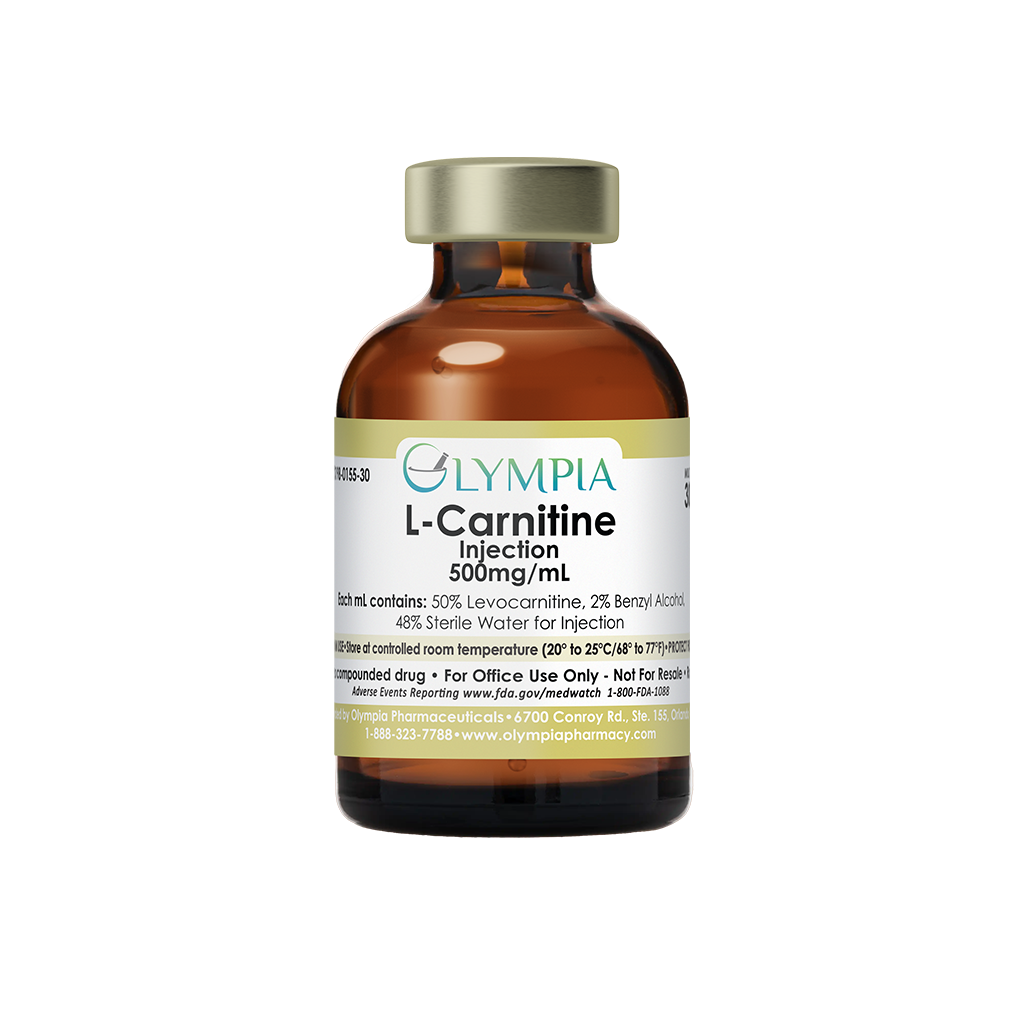
Oral supplements are the typical consumer route, and injections are not a standard home option for fat loss. Alternative products (like different carnitine forms) may feel different, but “better” isn’t guaranteed—your dose, tolerance, and routine matter most.
A Practical 2-Week Experiment Framework
If you want a consumer-style, low-drama way to test Will L-carnitine reduce belly fat?, treat the first 14 days as a “data collection phase,” not a final verdict.
- Pick one product and one form: Choose a clear-labeled L-carnitine product and stick with it.
- Start conservatively: For many people, 500–1,000 mg/day is a sensible start. Take it with food if your stomach is sensitive.
- Don’t change everything: Keep your routine stable—same steps, same meal structure, same workout frequency.
- Track daily variables that matter: Waist (2–3 times/week), body weight (if you want), sleep hours, and any GI side effects.
- Assess “signals” rather than miracles: Look for energy improvements, reduced sluggishness, or any consistent tolerance pattern.
- Decide based on adherence and tolerance: If you feel worse, stop. If you tolerate it and notice a small positive signal, you can continue another 4–8 weeks while tightening diet and strength training.
Failure to reduce belly fat within 2 weeks doesn’t prove the supplement is worthless—it often proves that belly fat requires more time and a bigger lifestyle lever. But it does help you learn whether L-carnitine fits your personal response and schedule.
About the Author
Jordan Mercer is a health-and-nutrition reviewer who focuses on consumer nutrition, supplement transparency, and practical adherence strategies for adults 50+. Over several years, Jordan has tested commonly purchased supplements alongside documented training and dietary adjustments, with an emphasis on measuring outcomes (waist, energy, tolerability) rather than relying on marketing claims. Jordan’s review style is intentionally cautious: if a product can’t be dosed clearly, or if claims overshoot evidence, it doesn’t get a pass.
Disclaimer: This article is for general information and consumer education, not medical advice. If you have medical conditions or take medications, check with a qualified clinician before starting L-carnitine—especially if you notice side effects or have concerns about interactions.
Note on claims: None of the statements here should be read as a guarantee of belly fat reduction, treatment, or cure.
Discussion